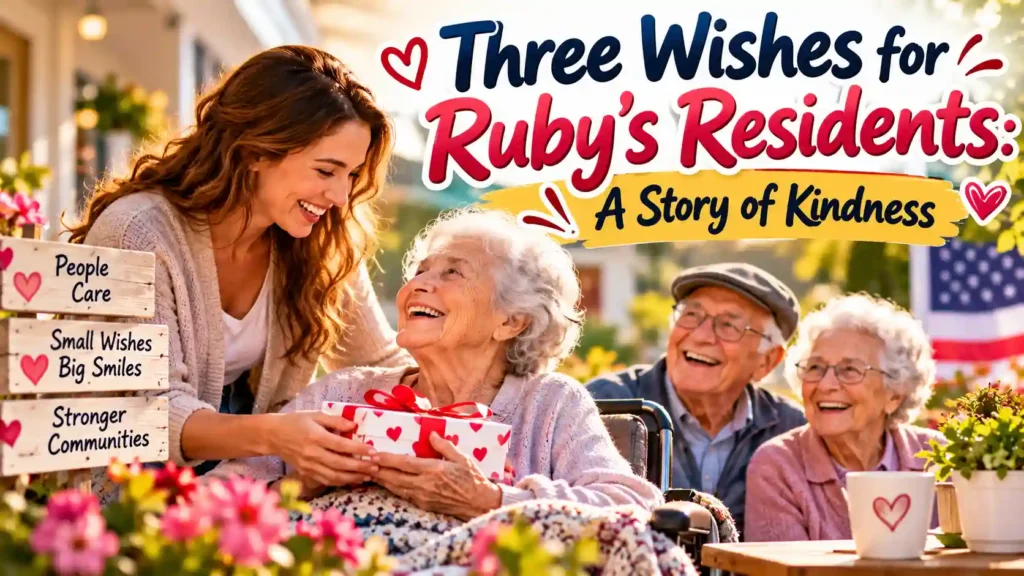
Sometimes, the smallest gifts can bring the biggest smiles. A bowl of fresh strawberries, a comfortable pair of shoes, or a visit from someone who truly cares can make a meaningful difference in an older person’s day.
That simple idea is at the heart of Three Wishes for Ruby’s Residents, an initiative started by Ruby Kate Chitsey to help nursing home residents receive things they need and enjoy.
Ruby’s story began when she visited nursing homes with her mother, a healthcare professional. Instead of asking residents what they wanted to buy at a store, she asked a bigger question: If they could have any three things in the world, what would they wish for? Their answers opened her eyes to everyday needs that others might overlook.
Lineage
+1
In this article, you’ll learn how the project began, what makes it special, the kinds of wishes residents have shared, and how people can help. You’ll also find thoughtful examples of three wishes that could bring comfort, connection, and joy to an older adult.
The message is simple: everyone deserves to feel seen, valued, and remembered, at every age.
💖 What Are Three Wishes for Ruby’s Residents?
Three Wishes for Ruby’s Residents is a charitable initiative that helps fulfill small, meaningful wishes for seniors living in nursing homes, assisted-living communities, and other long-term care settings. It focuses on everyday items and experiences that can improve a resident’s comfort, dignity, and sense of connection.
Three Wishes For Ruby’s Residents
+1
The idea is easy to understand: ask older adults what they would like, listen to their answers, and work with appropriate caregivers and supporters to help make those wishes come true.
A resident might ask for fresh fruit, a new book, clothes that fit, or supplies for a beloved pet. These requests may seem ordinary, but they can mean a great deal to someone who has limited spending money or depends on others to obtain personal items.
The project also brings younger volunteers and older adults together. That connection matters because a wish is not always about receiving a physical gift. Sometimes, it is about having someone listen, remembering a personal preference, or feeling included.
The organization’s official website explains its mission, how wishes are fulfilled, and how people can get involved. You can explore its official website to learn more.
Three Wishes For Ruby’s Residents
+1
🌟 Who Is Ruby Kate Chitsey?
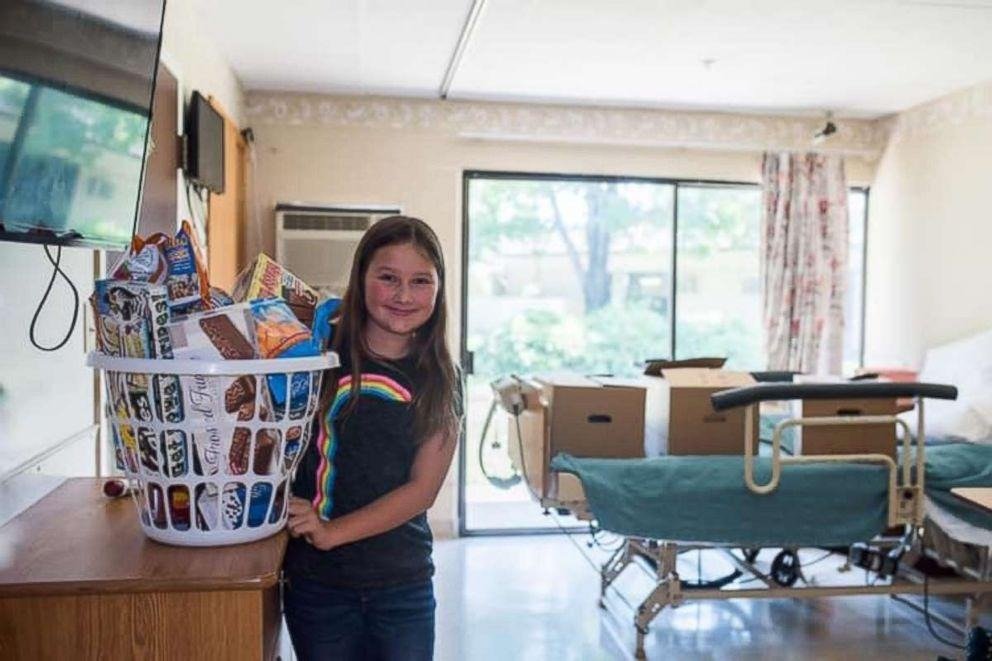
Ruby Kate Chitsey is the young founder behind Three Wishes for Ruby’s Residents. Her story began in Arkansas, where she sometimes accompanied her mother, Amanda Chitsey, on visits to nursing homes.
At the time, Ruby was a child who had experienced bullying at school because of a skin condition. Visiting the nursing home gave her a place where she felt welcomed. She connected with the residents and saw them as friends rather than simply older people receiving care.
Lineage
+1
During those visits, Ruby began asking residents what three things they would want if they could choose anything. She expected some extravagant answers, but many people requested simple necessities and familiar comforts.
One resident wanted fresh strawberries. Others asked for food, clothes, shoes, books, or other everyday items. Ruby realized that things many people take for granted could be difficult for some nursing home residents to obtain.
She shared the requests with her mother, and together they began helping fulfill them. What started with a child’s question grew into a wider charitable effort.
The project also changed Ruby’s outlook. In an interview featured by Lineage, she described helping others as a source of motivation and hope. Her experience shows how kindness can support both the person receiving help and the person offering it.
Lineage
+1
Ruby’s story is a reminder that you do not need to be wealthy, famous, or an adult to make a difference. Sometimes, the first step is simply noticing that someone could use a little help.
🥹 How Three Wishes for Ruby’s Residents Began
The project grew from one simple question: “If you could have any three things in the world, what would they be?”
Ruby asked residents at the nursing home while carrying a notebook to record their answers. Instead of asking what they could purchase at a store, she invited them to imagine what they truly wanted.
Their answers surprised her. The requests were often modest, practical, and personal. Fresh fruit, snacks, clothes, comfortable shoes, and small comforts appeared among the wishes.
Lineage
+1
Those answers revealed something important. A person’s needs do not disappear when they move into a care home. Older adults still have favorite foods, personal interests, family connections, hobbies, and everyday preferences.
Yet some residents may have limited money for extras. A basic item that seems inexpensive to another person can be difficult to obtain when personal spending money is restricted.
Ruby and her mother began helping residents receive the things they requested. News coverage brought attention to the project, and its work expanded beyond the original setting.
The nonprofit now describes a broader effort to fulfill wishes for seniors across the country and involve young volunteers in acts of service.
Three Wishes For Ruby’s Residents
+1
The lesson is not that every wish must be grand or expensive. It is that asking, listening, and following through can turn an ordinary interaction into a meaningful act of care.
🎁 Three Wishes for Ruby’s Residents: Examples of What Seniors May Want
The heart of this project is listening to each resident rather than assuming that everyone wants the same thing. The following examples reflect the kinds of practical comforts, personal interests, and social connections that can matter to older adults. They are illustrative ideas, not a list of current, unfulfilled requests from the organization.
1. A favorite food or treat

A resident might wish for fresh strawberries, a favorite snack, a familiar soft drink, or a treat they have not enjoyed in a long time.
Food can bring back happy memories of family gatherings, holidays, and favorite places. Before providing any food, however, check the resident’s dietary needs, allergies, swallowing requirements, and facility rules with the appropriate staff.
2. Comfortable clothes and shoes
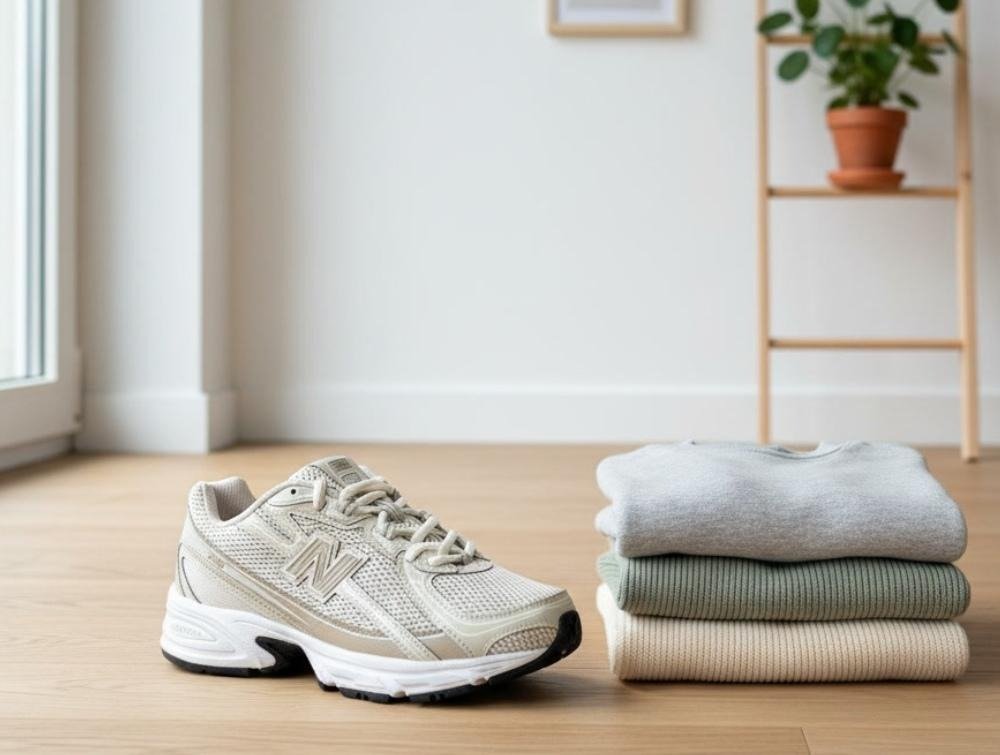
Clothing that fits well can support comfort and dignity. A resident might need trousers in the right size, a warm cardigan, pajamas, socks, or supportive shoes.
The best gift is one that suits the person’s preferences and needs. Ask about sizing, fabric, mobility requirements, and footwear guidance before purchasing anything.
3. Books, puzzles, and creative supplies

addingtonplaceofleessummit.seniorlivingnearme.com
A book by a favorite author, a large-print puzzle book, colored pencils, or writing paper can make a day more enjoyable.
These gifts can support hobbies and offer a welcome activity during quiet hours. The right choice depends on the person’s interests, eyesight, dexterity, and preferred reading level.
4. Personal care items

Some residents may appreciate suitable lotion, a comb, lip balm, or other personal care essentials. Such items can be easy to overlook, yet they may help someone maintain familiar routines.
Check with care staff before supplying products, especially if a resident has sensitive skin, allergies, or specific care requirements.
5. Time with a loved one
A resident may value a family visit, a phone call, a video chat, or a handwritten letter more than a purchased gift.
If family members live far away, arranging a call can help maintain a connection. Always respect the resident’s wishes, privacy, communication preferences, and available visiting arrangements.
6. Supplies for a beloved pet
Pets can be a meaningful part of a person’s life. A resident may wish for suitable pet food, treats, or help arranging an approved visit with an animal they love.
Any pet-related gift or visit should be coordinated with the resident, the pet’s caregiver, and facility staff to ensure that it is appropriate and safe.
The larger lesson is that the best wish is the one that matters to the person making it. Listening first helps supporters offer something genuinely useful rather than simply choosing what they think an older adult should want.
❤️ Why Small Wishes Matter to Nursing Home Residents

A small gift can mean much more than its price. For an older adult living in a care facility, receiving something they personally requested can offer comfort, choice, and a sense of being remembered.
Small gifts can protect dignity
Everyone has personal preferences. One person may love a certain snack, while another may want a particular color of sweater or a book about a favorite subject.
When people ask residents what they want and respect their choices, they recognize that older adults are individuals with their own tastes and interests.
Listening can build human connection
Many older adults have rich life stories, memories, skills, and experiences to share. A conversation with a volunteer can create an opportunity for them to talk about their lives, their families, or the things they enjoy.
Volunteers should never assume that every resident feels lonely or wants company. The important thing is to offer friendly attention while respecting each person’s wishes.
Everyday comforts can make a difference
A comfortable pillow, a favorite snack, or a new notebook may seem like a small purchase. Yet these things can make everyday life feel more personal.
Three Wishes for Ruby’s Residents focuses on identifying such needs and helping address them. Its work demonstrates why listening to care home residents is an important part of providing thoughtful support.
Three Wishes For Ruby’s Residents
+1
Kindness connects generations
When younger volunteers spend time with older adults, both generations can learn from the experience. Young people can practice empathy, patience, and responsibility, while seniors have opportunities to share their interests and experiences.
The goal is not to treat older adults as helpless. It is to recognize their individuality and offer support that respects their choices.
🤝 How Can You Help Three Wishes for Ruby’s Residents?
You do not have to start a charity to help someone. There are several ways to support this kind of work, depending on your time, resources, and location.
The organization’s official website describes ways to fulfill wishes, support the project, and organize volunteer activities. Always check its current instructions before donating money or goods.
Three Wishes For Ruby’s Residents
+1
Donate toward a wish
A financial contribution may help cover the cost of requested items. Even a modest contribution can be useful when directed toward an actual need.
Visit the official Three Wishes for Ruby’s Residents website to find current donation information. Use official channels and review the details before contributing.
Purchase requested items
The organization has described a wish-list approach that allows supporters to purchase items for seniors. Check its current How We Grant Wishes page for available options and instructions.
Three Wishes For Ruby’s Residents
If you are buying supplies independently, contact the appropriate facility first. It may have rules about food, clothing, electronics, personal care products, and other donations.
Volunteer with a care home
You can ask a local nursing home or assisted-living community If it accepts volunteers.
Possible activities include:
Follow all training, supervision, privacy, and safety requirements.
Organize a small wish drive
A school, youth group, workplace, or community organization could organize a collection of approved items.
Start by asking a care facility what residents actually need. Make a short list, set a clear budget, and explain how the items will be collected and delivered.
Avoid collecting goods that the facility cannot accept. A focused drive for requested items is often more helpful than a large collection of unsuitable donations.
Spread awareness responsibly
Sharing the project’s official website can help other people discover its work.
You can also talk about the broader idea of asking older adults what they need instead of making assumptions. When sharing stories or photos of residents, always respect their consent and privacy.
🌱 How to Start a Three-Wishes Project in Your Community
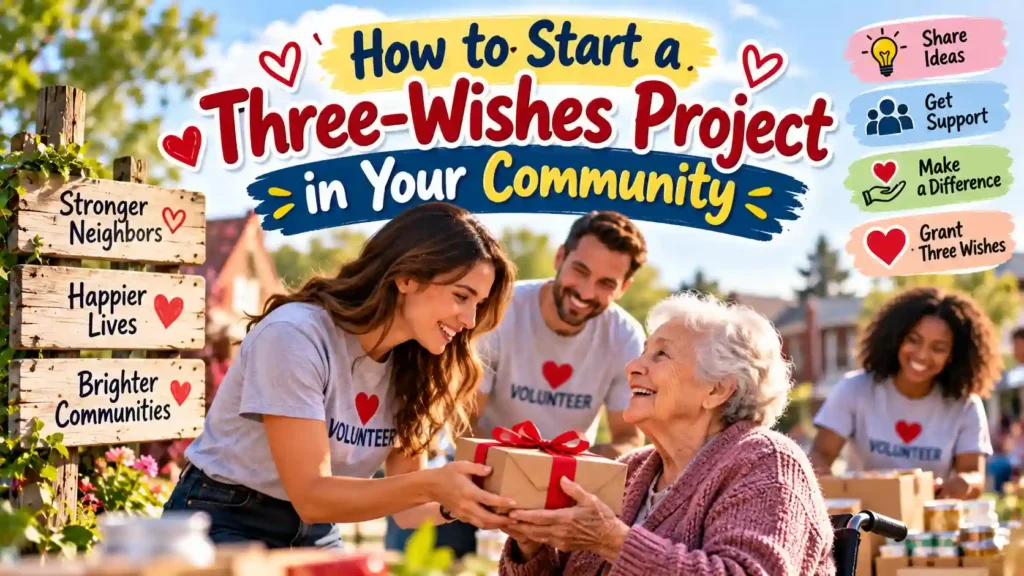
Inspired by Ruby’s example? You can explore a similar kindness initiative in your own community, even if you are unable to participate directly in Ruby’s organization.
The key is to work with a care facility and follow a simple, respectful process.
Step 1: Contact a local care home.
Ask the administrator or volunteer coordinator If the facility would welcome a small wish-granting activity.
Step 2: Learn the rules.
Find out what kinds of gifts, visits, and volunteer activities are permitted. Ask about safeguarding, resident consent, infection-control policies, and donation procedures.
Step 3: Ask residents what they want.
With appropriate staff guidance, invite interested residents to share one or more wishes. Let them decline, and do not pressure anyone to participate.
Step 4: Record requests accurately.
Keep a simple list of requested items, relevant specifications, and any approvals required. Protect residents’ personal information.
Step 5: Find appropriate support.
Invite approved volunteers, family members, community groups, or donors to help fulfill requests. Make sure donated items match the resident’s actual needs.
Step 6: Deliver each wish respectfully.
Coordinate delivery with facility staff. Ask If the resident wants the item presented privately or during a group activity.
Step 7: Follow up.
Check If the gift was useful and If the process can be improved. A successful project should be guided by residents’ preferences, not by the organizers’ desire for publicity.
Remember that a local initiative is not automatically an official branch of Three Wishes for Ruby’s Residents. If you want to participate in the nonprofit’s own activities, contact it through its official website.
💌 Heartfelt Messages Inspired by Three Wishes for Ruby’s Residents
Sometimes, words can support the same spirit of kindness as a thoughtful gift. The following original messages can be used in greeting cards, volunteer notes, community newsletters, or messages to older loved ones.
They are general examples, not official quotations from Ruby or the nonprofit.
1. You deserve to feel loved, valued, and remembered every single day. A warm message for an older loved one.
2. May your days bring you comfort, familiar joys, and kind people who listen. A gentle greeting for a care home resident.
3. Your stories matter, your wishes matter, and you matter more than words can say. A thoughtful note for a senior.
4. A small gift can carry a big message: someone thought of you today. Suitable for a card accompanying a present.
5. Thank you for sharing your wisdom, memories, and kindness with the people around you. A message of appreciation.
6. You have a lifetime of stories worth hearing and memories worth celebrating. A meaningful note for an older adult.
7. May today bring a pleasant surprise and a reason to smile. A short, uplifting greeting.
8. Kindness begins when we take the time to ask what someone truly needs. A message for volunteers.
9. The world is better when generations learn from and care for one another. Suitable for a community event.
10. You are never just another name on a list; you are a person with hopes, memories, and dreams. A heartfelt message about dignity.
These messages can be personalized with a resident’s name, a favorite memory, or a detail about something they enjoy. Keep the wording respectful and avoid making promises that you cannot fulfill.
📱 Short Captions About Kindness and Helping Seniors

These short captions are suitable for social media posts, volunteer photographs shared with permission, school projects, or community awareness campaigns.
FAQs:❓
What are Three Wishes for Ruby’s Residents?
Three Wishes for Ruby’s Residents is a charitable initiative founded by Ruby Kate Chitsey. It helps fulfill small wishes for if possible living in nursing homes and other long-term care settings, focusing on everyday comforts, personal needs, and meaningful connections.
Three Wishes For Ruby’s Residents
+1
Who started Three Wishes for Ruby’s Residents?
Ruby Kate Chitsey started the project after visiting nursing homes with her mother, Amanda Chitsey. She asked residents what three things they would wish for, discovered that many wanted simple everyday items, and began helping them receive those items.
Lineage
+1
How can I donate to Three Wishes for Ruby’s Residents?
Visit the official nonprofit website to review current donation options and instructions. You can also explore its information about how wishes are fulfilled. Always verify that you are using an official channel before sending money or purchasing items.
Three Wishes For Ruby’s Residents
+1
Can I start a similar project in my town?
Yes, you can explore a local wish-granting initiative by partnering with a nursing home or assisted-living facility. Ask permission, follow its policies, obtain resident consent, and provide only approved items. A local project should not be presented as an official branch of Ruby’s nonprofit without authorization.
Why are small gifts important for older adults?
Small gifts can provide comfort, support personal preferences, and remind people that others care about them. Their value is not just financial. Asking what someone wants and respecting their answer can make the experience more personal and meaningful.
Conclusion:🏁
The story of Three Wishes for Ruby’s Residents reminds us that meaningful change does not always begin with a large donation or a complicated plan. Sometimes, it starts with a simple question and the willingness to listen.
Ruby Kate Chitsey saw that nursing home residents had everyday wishes that were easy to overlook. By asking what they wanted and helping fulfill their requests, she inspired others to recognize the value of small acts of kindness.
Her story also highlights the importance of dignity, choice, and connection for older adults.
Lineage
+1
You can carry that lesson into your own life. Call an older relative, visit a loved one, support a reputable senior-care charity, or ask a local care home how you can help. If you organize a donation drive, focus on what residents actually need and follow the facility’s guidelines.
You may not be able to fulfill every wish, and you do not have to. One thoughtful act can still make a meaningful difference.
The most important wish may be the simplest one: to know that someone remembers you, listens to you, and cares.
Start with kindness. Ask what matters. Then do what you can to help make it happen.
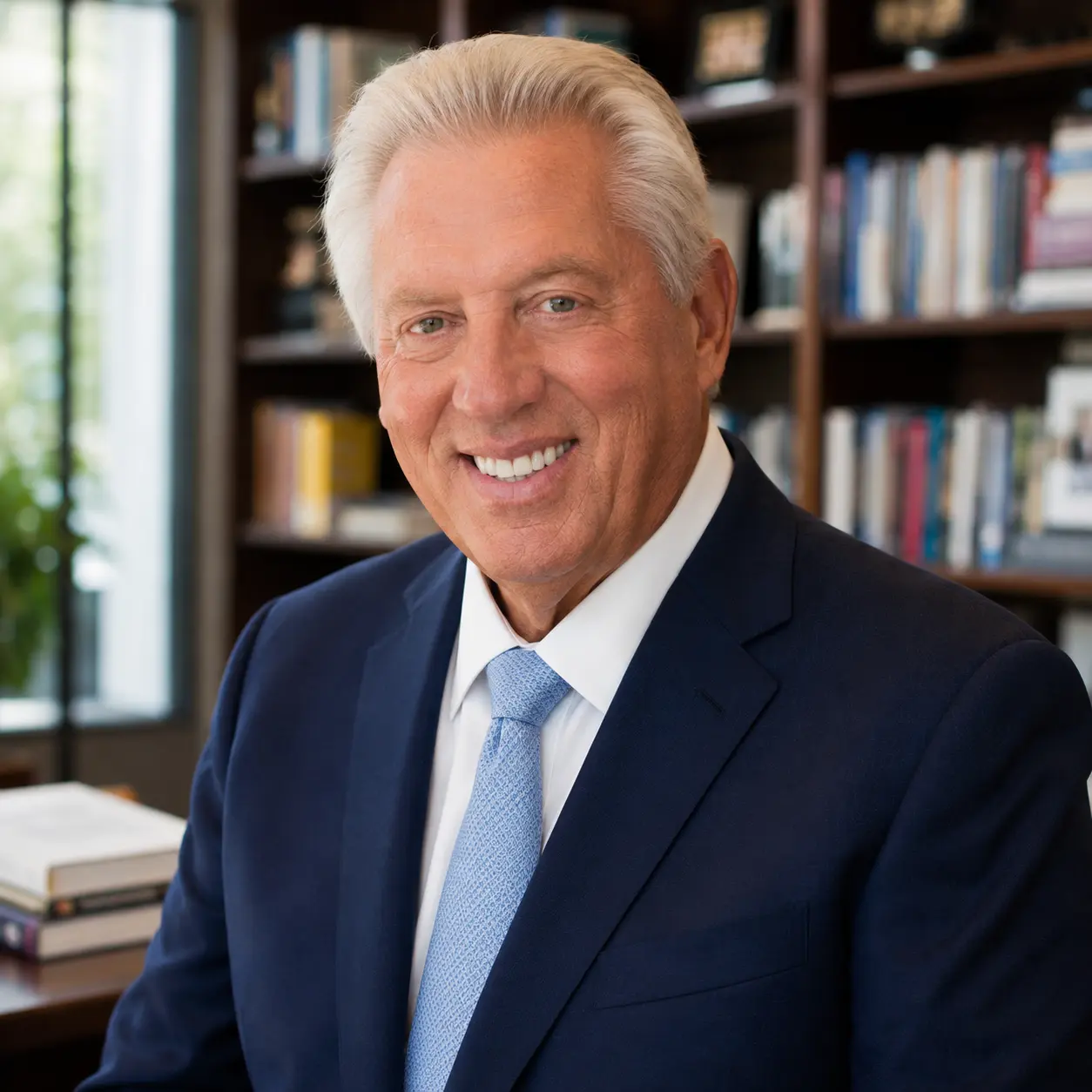
I am John C. Maxwell is a bestselling American leadership author whose practical insights inspire personal and professional growth. His educational influence enriches the helpful resources shared on LinesHive.com.